
The United States recently announced new tariffs on Canadian goods, a move that could have a ripple effect across multiple industries. Whether you’re a consumer, business owner, or investor, understanding these changes is essential to navigating potential economic shifts. But what do these tariffs mean, and how will they impact daily life?
What Are Tariffs and Why Are They Being Imposed?
Tariffs are taxes placed on imported goods, making them more expensive for buyers. The U.S. government uses tariffs as a tool to balance trade relationships, protect domestic industries, or respond to economic disputes. In this case, the new tariffs target specific Canadian exports, including lumber, aluminum, and certain manufactured goods.
The reasoning behind these tariffs varies, but U.S. officials cite concerns over trade imbalances, domestic job protection, and economic policy shifts. Canada, on the other hand, argues that these measures unfairly penalize their industries and disrupt long-standing trade agreements.
How Could This Impact Homebuyers and Homeowners in Greater Toronto Areas?
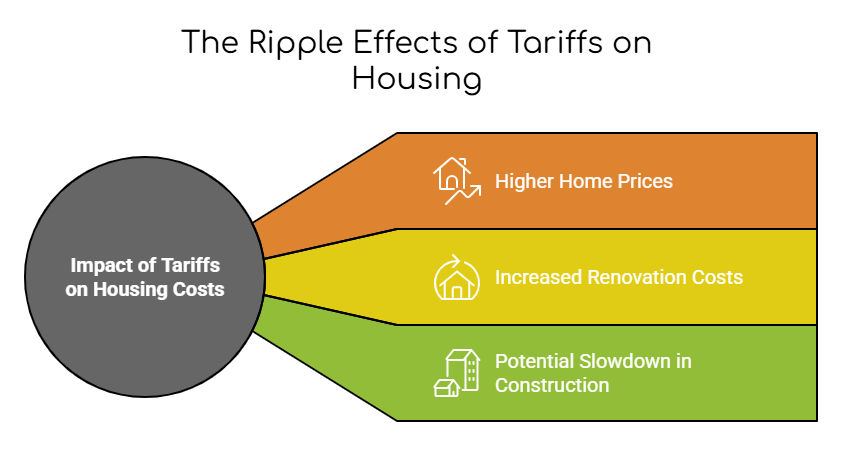
One of the biggest areas of concern is housing. With tariffs on Canadian lumber, the cost of building materials in the U.S. could rise. This could lead to:
-
Higher home prices – Builders will likely pass increased material costs onto buyers, making new homes more expensive.
-
Increased renovation costs – If you’re planning a home renovation, expect higher costs for wood-based materials like flooring, cabinets, and framing.
-
Potential slowdown in construction – If costs rise too much, some projects may be delayed or canceled, affecting housing supply.
How Will This Affect Everyday Consumers?
Beyond real estate, these tariffs could lead to price increases on everyday goods. Products made with aluminum—such as canned beverages and certain appliances—may see price hikes. Additionally, supply chain disruptions could affect retail pricing, meaning consumers might feel the pinch at checkout.
What’s Next?
Canada has responded to previous tariffs with countermeasures, and further negotiations could lead to adjustments. Trade disputes like this tend to evolve over time, so staying informed is key. If you’re considering a major purchase, like a home or a renovation, it may be worth factoring in potential cost increases when budgeting.
The impact of these tariffs is still unfolding, but they highlight the interconnected nature of the U.S.-Canada trade relationship. Whether you’re in real estate, business, or simply watching market trends, understanding these changes can help you make smarter financial decisions.
Want to stay ahead of market shifts in Markham & Richmond Hill, Ontario? Kaizen Real Estate provides expert insights tailored to your needs. Contact us today to navigate the evolving real estate landscape.